
In early October 1831, the defeat of the Second Reform Bill in the House of Lords led to a wave of pro-reform public protests and disturbances across Britain and Ireland. In Dorset, a microcosm of the national struggle over electoral reform was being fought out in a county by-election which posed Lord Ashley – an… Continue reading ‘Zummerset Refarmers’ – the Yeovil ‘reform riot’ of October 1831
Tag: reform
The “anti-reform” Worcester plate – a time capsule from 1832

The Context The period of 1830-1832 in Britain was marked by waves of protests and disturbances demanding reform of the electoral system. In 1830 the existing arrangements, which dated back to the rule of Henry VI, enfranchised less than three percent of the population, mostly significant land and property owners. With a few exceptions, women,… Continue reading The “anti-reform” Worcester plate – a time capsule from 1832
Event: Worcester Research Workshop

Date: Saturday 30 April, 2022
Event Registration link: https://bit.ly/1831Workshop This free research workshop, hosted by Worcestershire Archive & Archaeology Service @ The Hive and in collaboration with the University of the West of England will be examining the disturbances in Worcester. Enquiries or further information:
What do you know about crowds and riots? The 1831 survey

Intergroup dynamics within the 1831 reform riots: towards a new social psycho-history This Economic and Social Research Council (ESRC) funded project examines the nature and spread of reform related riots across Britain following the House of Lords rejection of the reform bill in October 1831. The project uses historical analysis of the 1831 disturbances and… Continue reading What do you know about crowds and riots? The 1831 survey
‘Episcopal treason and plot’: effigy burning in the autumn 1831 reform protests

In our Overall Survey of Protest events in Britain and Ireland in response to the defeat of the Second Reform Bill from October to December 1831, one prevalent activity that was difficult to categorise was the practice of parading and burning of effigies in public locations, sometimes outside the residence of the ‘victim’. This article presents some examples we found.
The defeat of the Second Reform Bill in October 1831 – An overview of public responses (part 3 – Black flags and dumb peals: the spread of news of the defeat )

Black flags and dumb peals (part 3) looks at the spread of the news of the defeat and the consequent public reactions across Britain and Ireland.
The defeat of the Second Reform Bill in October 1831 – An overview of public responses (part 2 – In the metropolis)

In the metropolis… considers initial public reactions to news of the defeat of the reform bill in London by studying public meetings, protests and disturbances over the five days after the announcement.
The defeat of the Second Reform Bill in October 1831 – An overview of public responses (part 1 – the overall survey)
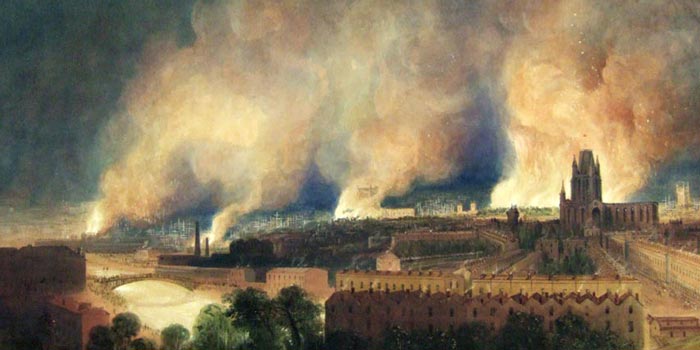
The overall survey explains the methodology of the data gathering and provides an assessment of the observations along with maps and animations displaying the data over space and time.
Event: Research Workshop in Dorset

Date: Saturday 16 October, 2021